Why publish the review method
Viral link lists can outlive the destinations they point to. A game title may be shorthand, a host may move, an archived page may retain a familiar logo while losing its scripts, and a collection portal may be mistaken for a single playable game. The directory needs a visible review record rather than a larger-looking count.
Our initial source is the RadiantOpti thread dated October 8, 2026. On October 10 we inspected project responses, titles, current interfaces, published images and setup documentation. The launch catalog contains 16 identifiable game projects, while nine source entries are excluded from the active cards.
Names corrected against the actual host
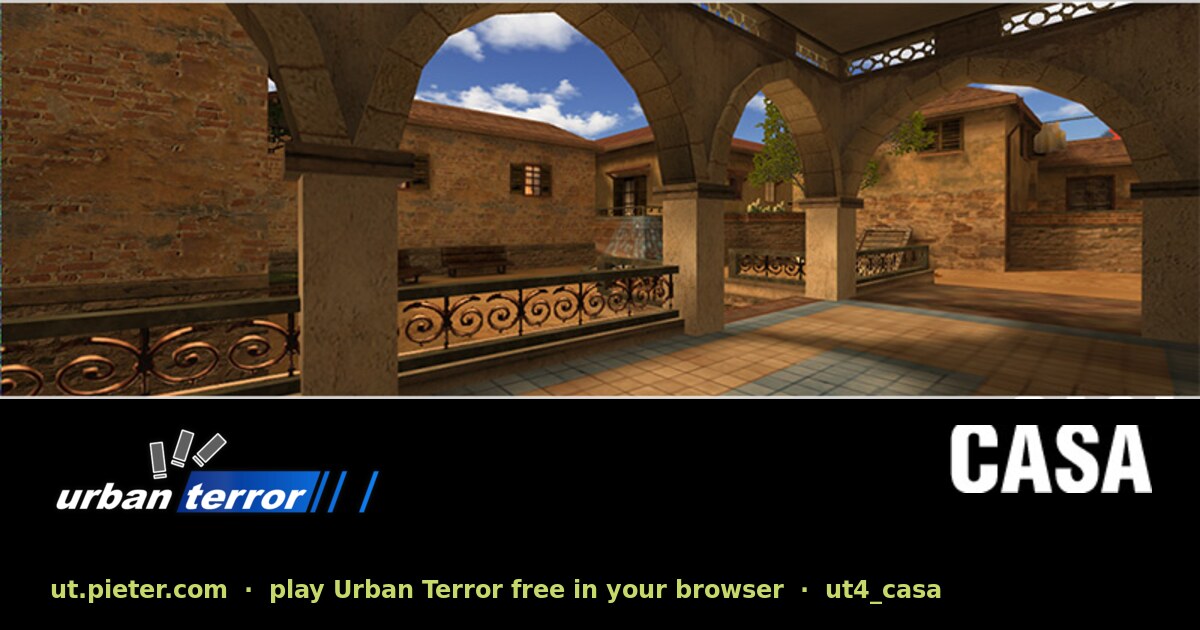
The UT destination identifies itself as Urban Terror, with FrozenSand and ioUrbanTerror credits. The directory therefore uses Urban Terror instead of guessing Unreal Tournament from an abbreviation.
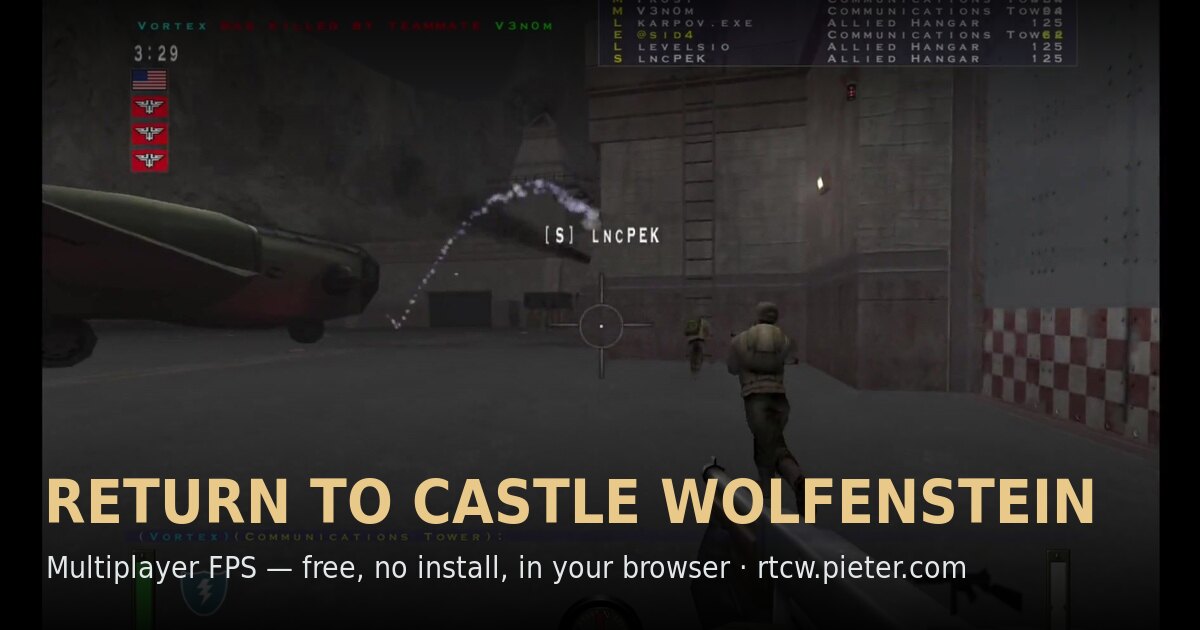
PES 6 identifies its PSP edition in the source page, and the RTCW project advertises mp_beach multiplayer rather than a complete campaign. Those distinctions are preserved in their guides. A brand name alone is not enough evidence for edition, mode or feature claims.
Unavailable, unrelated and archived entries
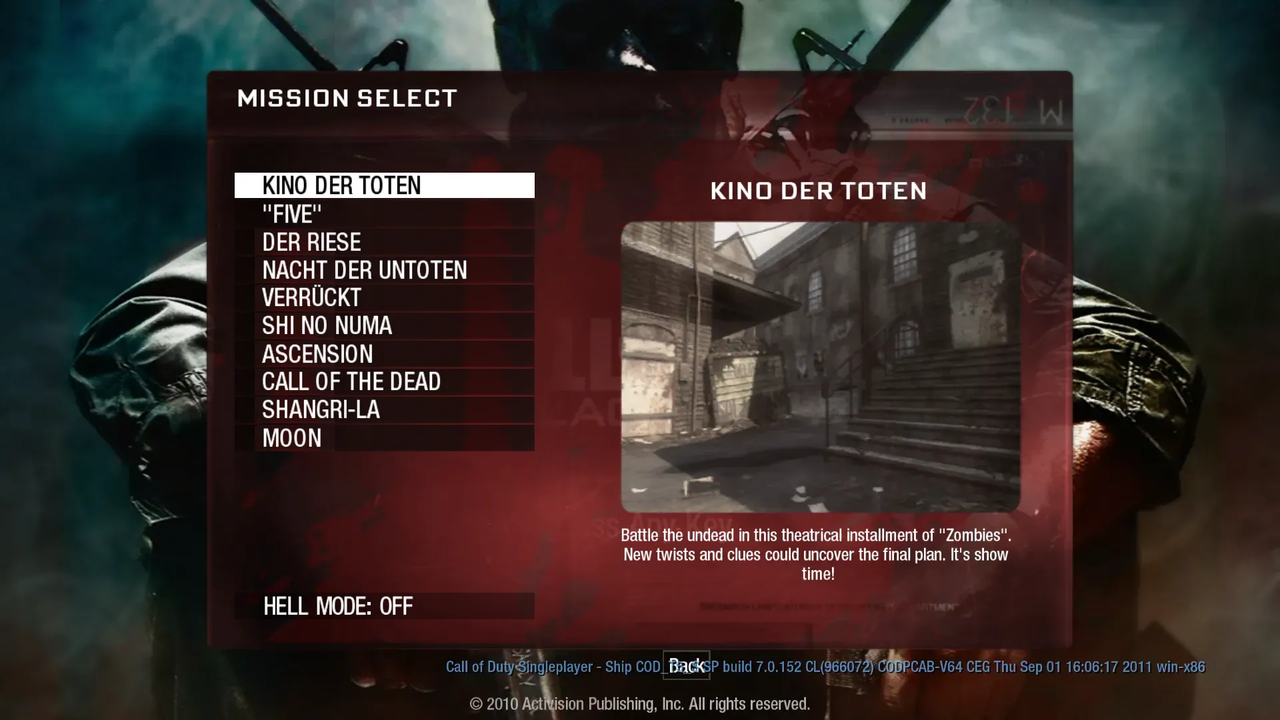
The separate Moon, Kino and Cheese Cube pages.dev links, the Vibe Slops host and webwars.link did not complete the project check during this review. The Modern Warfare 2 Railway destination returned a rate-limit response. These records are excluded from the active list; a temporary failure is not a claim that a project has permanently ceased to exist.
The skating-labeled global-terror.net destination currently presents an unrelated site. The GTA V URL points to an archive rather than a confirmed live game. WASM Arcade is a portal with many entries, not an individual game in our catalog. The source policy lists the original labels and reasons so that exclusions can be reconsidered with new evidence.
What a real image does and does not prove
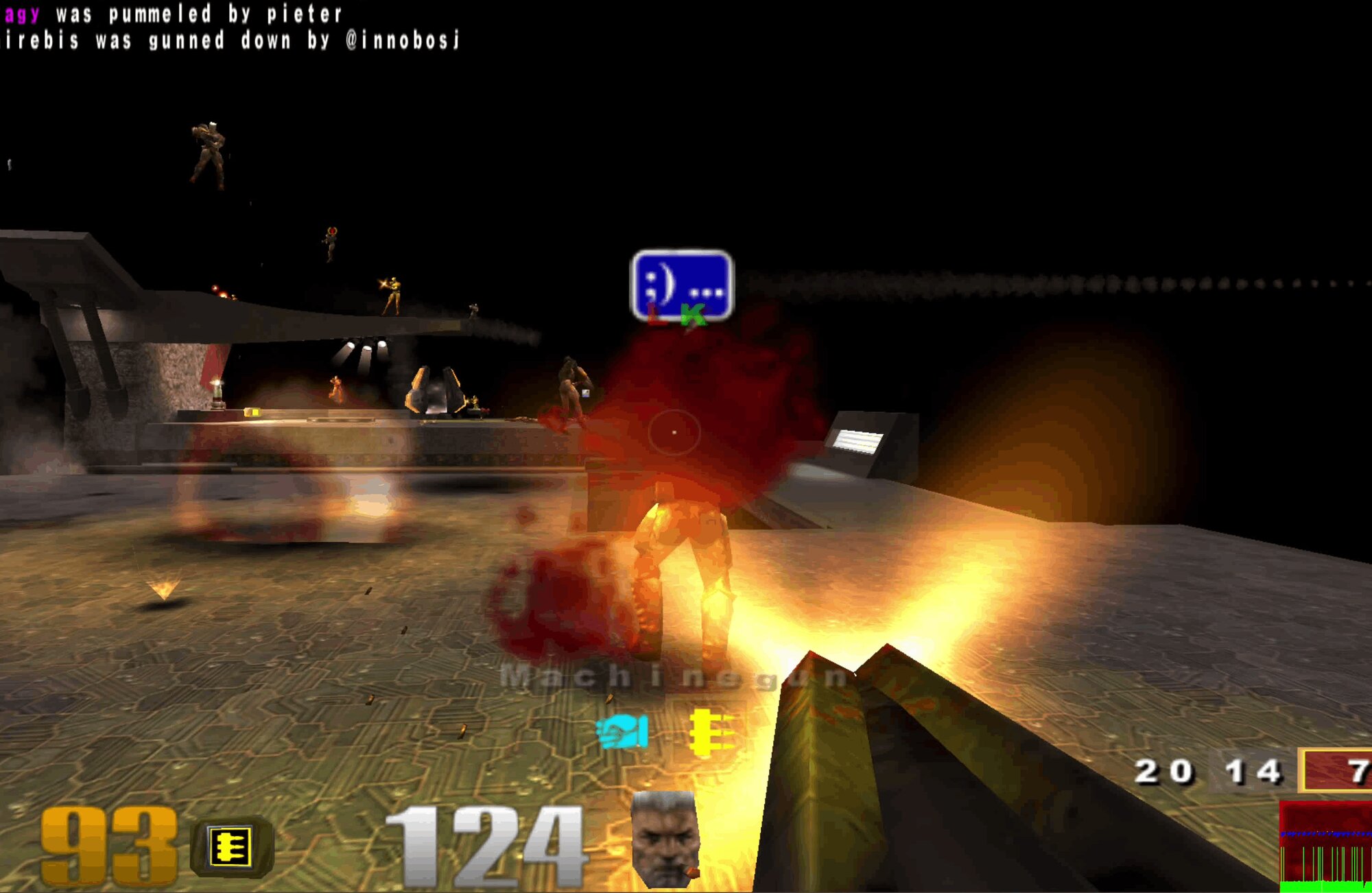
We replaced abstract generated illustrations with actual images published by the game projects and original-game cover thumbnails where appropriate. Each game guide records its image source and distinguishes source artwork from a completed gameplay test.
A real cover makes a project easier to recognize, but it does not establish that an engine will accept your assets, that a server has players, or that every campaign mission runs. Those questions require separate verification. We do not manufacture screenshots, player counts or benchmark results to fill a template.
How the catalog is maintained
Game records are versioned JSON with project identity, original URL, file requirements, documented controls, launch steps, source references, image provenance and last-reviewed date. This makes the same audited facts available to the homepage, detail pages and sitemap.
When a source changes, update the record and its guide together. Preserve an explanation for a known removed entry and recommend a reviewed alternative, while keeping uncertain destinations out of the active browsing list. The next review should record the new observation rather than silently advance every date.